Progressive Infotech (Workelevate) Recognized in the 2025 Gartner® Magic Quadrant™ for Digital Employee Experience Management Tools for the Second Consecutive Year

Uncategorized

DPDP Consent Manager Portal: What Businesses Need to Know

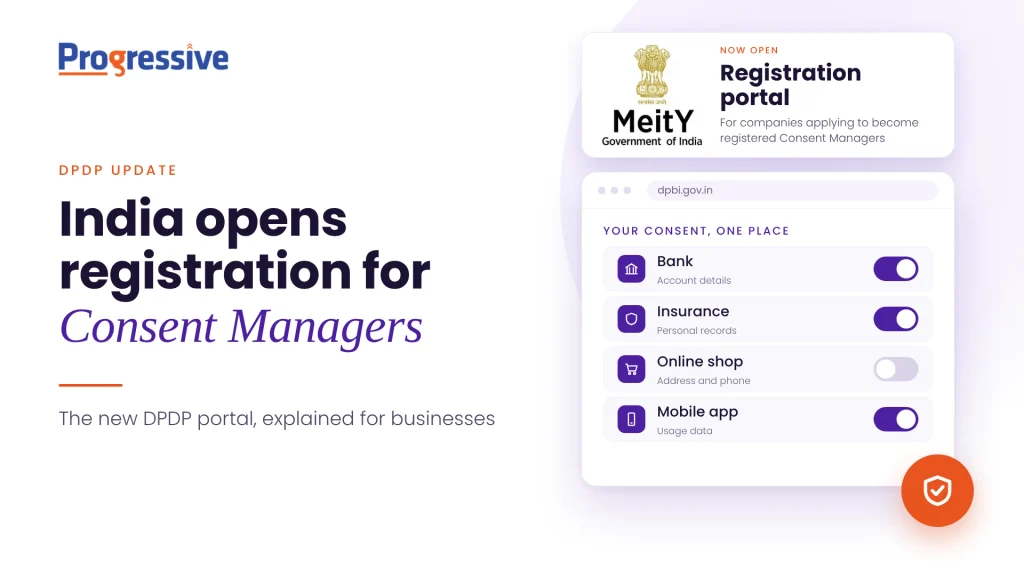
India Launches New DPDP Consent Manager Portal: What It Means for Businesses, Explained Simply

India has launched a new portal under its Digital Personal Data Protection (DPDP) framework. But does every business need to register? What is a Consent Manager? And what do terms like RoPA, Data Fiduciary and Consent Management actually mean? Here’s a simple guide. India has taken another step towards implementing its new data privacy law. […]
India Launches New DPDP Consent Manager Portal: What It Means for Businesses, Explained Simply Read More »

Workspace Cybersecurity Platforms: What They Solve, and What They Don’t

Workspace Cybersecurity Platforms: What They Solve, and What They Don’t

Most SMB and mid-market security teams are running too many tools, with too few people to watch them. Point products got added one at a time, over several years, in response to whatever problem came up that quarter. The result is a stack that nobody can fully account for anymore: too many consoles, too few

Workspace Cybersecurity Platforms: What They Solve, and What They Don’t Read More »

Managed IT Services

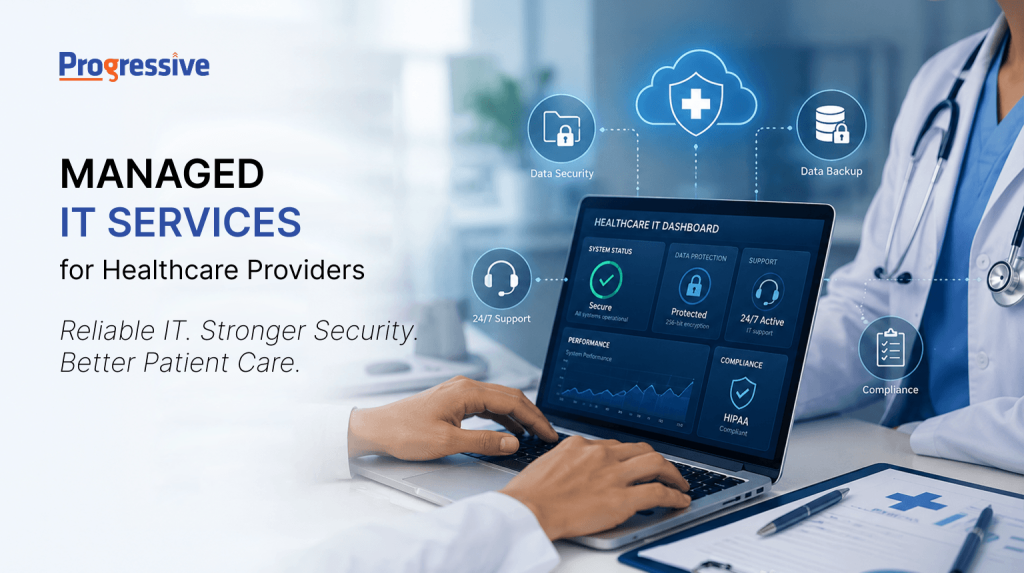
Managed IT Services for Healthcare Providers

Healthcare has always been a high-stakes environment. Every decision, be it clinical or operational or technological, has consequences that ripple directly into patient outcomes. Yet as Indian healthcare scales rapidly, with hospital networks expanding across cities and patient expectations rising sharply, the IT infrastructure underpinning it all has quietly become one of the most critical

Managed IT Services for Healthcare Providers Read More »

Security hardening Explained

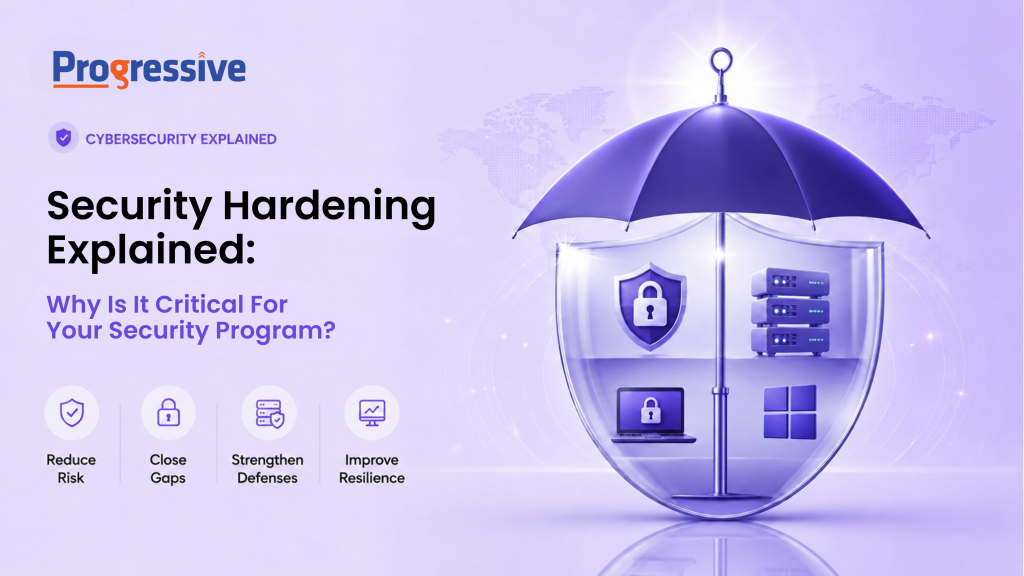
Security Hardening Explained: Why Is It Critical for Your Security Program?

When a cyberattack makes headlines, the assumption is usually the same: the attacker must have used something sophisticated. A zero-day vulnerability. Custom malware. An advanced attack chain. Yet many breach investigations reveal a far simpler reality. A forgotten administrator account. An exposed service that was never disabled. A server running default settings years after deployment.

Security Hardening Explained: Why Is It Critical for Your Security Program? Read More »

Scroll to Top